

Welcome to The Adaptive Leader Blog
Access our expanding collection of reports, studies, and exclusive content anytime, with new items added monthly.
Subscription starting at $1.00/mo.
Free content marked as Preview.

The Stop-Doing List: Why Adaptive Organizations Get Stronger by Doing Less
A 2021 Nature study found people improve things by adding and overlook subtracting. Organizations are this bias made institutional. A four-move framework for a stop-doing list that holds.
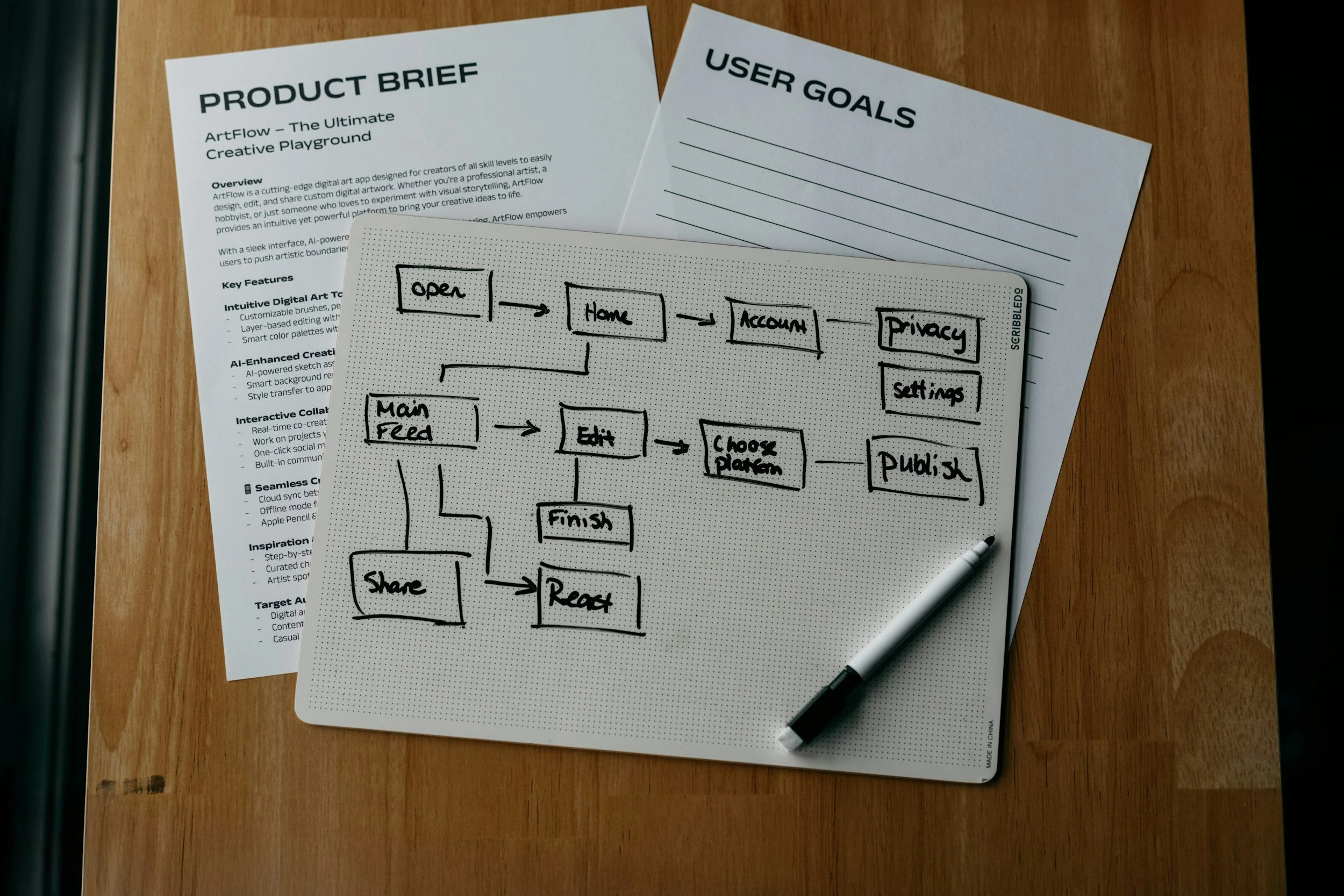
The Reorganization Reflex: Why Restructuring Rarely Fixes What's Actually Broken
When performance stalls, leaders reach for the org chart — yet only 23% of reorganizations meet their objectives. Why restructuring is a complicated answer to a complex problem.

The Leadership Team Offsite, Redesigned: Why Executive Alignment Evaporates by Monday
The offsite ends with energy and a sharp deck. By Monday, the alignment is gone. Why executive alignment is a living state, not a one-time event — and the engagement we built to make it hold.

The Decision Rights Map: A Framework for Ending the Quiet Stalemates That Stall Complex Work
Managers waste 58% of their decision-making time — not on wrong calls, but on decisions that circle and stall because no one can say who actually decides. A four-part map that ends the drift.

The Compliance Paradox: Why Adding Controls Makes Regulated Organizations Slower to Adapt
An average hospital assigns 59 employees to compliance — a quarter of them clinicians pulled from patient care. Every control was justified; the aggregate is an organization that can no longer move.

Strategic Planning Facilitation: Why Most Strategic Plans Become Documents, Not Decisions
Most strategic plans become documents instead of decisions. The version of strategic planning facilitation we run is built to close that gap — and it starts eight weeks before the offsite.

The Adaptive Pre-Mortem: A Framework for Stress-Testing Initiatives Before You Launch
Gary Klein’s pre-mortem is a 2007 classic — but its standard form catches the wrong category of failure on adaptive initiatives. Here is the four-prompt version we run.

Complicated or Complex? 10 Everyday Problems Where the Difference Decides the Outcome
Ten familiar problems — a stalled strategy, a task force that produces nothing, a system nobody uses — and why telling complex from complicated changes how they get solved.

The Annual Plan Is Already Obsolete: Why Complex Industries Need a Different Rhythm
Annual planning was designed for an economy that no longer exists. Why the leaders we work with are moving to a rolling cadence — and what they are giving up to do it.

The Coordination Tax: Why Complex Organizations Spend More Time Aligning Than Acting
Every complex organization carries a hidden cost — not a budget line, but a toll on time, attention, and decision-making capacity. Call it the coordination tax. Reducing it requires changing the structure of how organizations work together, not just how they communicate.

The Stakeholder Energy Map: A Framework for Understanding Who Drives Complex Change
The standard interest-influence grid treats stakeholders as fixed variables. This framework doesn’t. The Stakeholder Energy Map reveals who is generating momentum toward change — and who is quietly absorbing it.
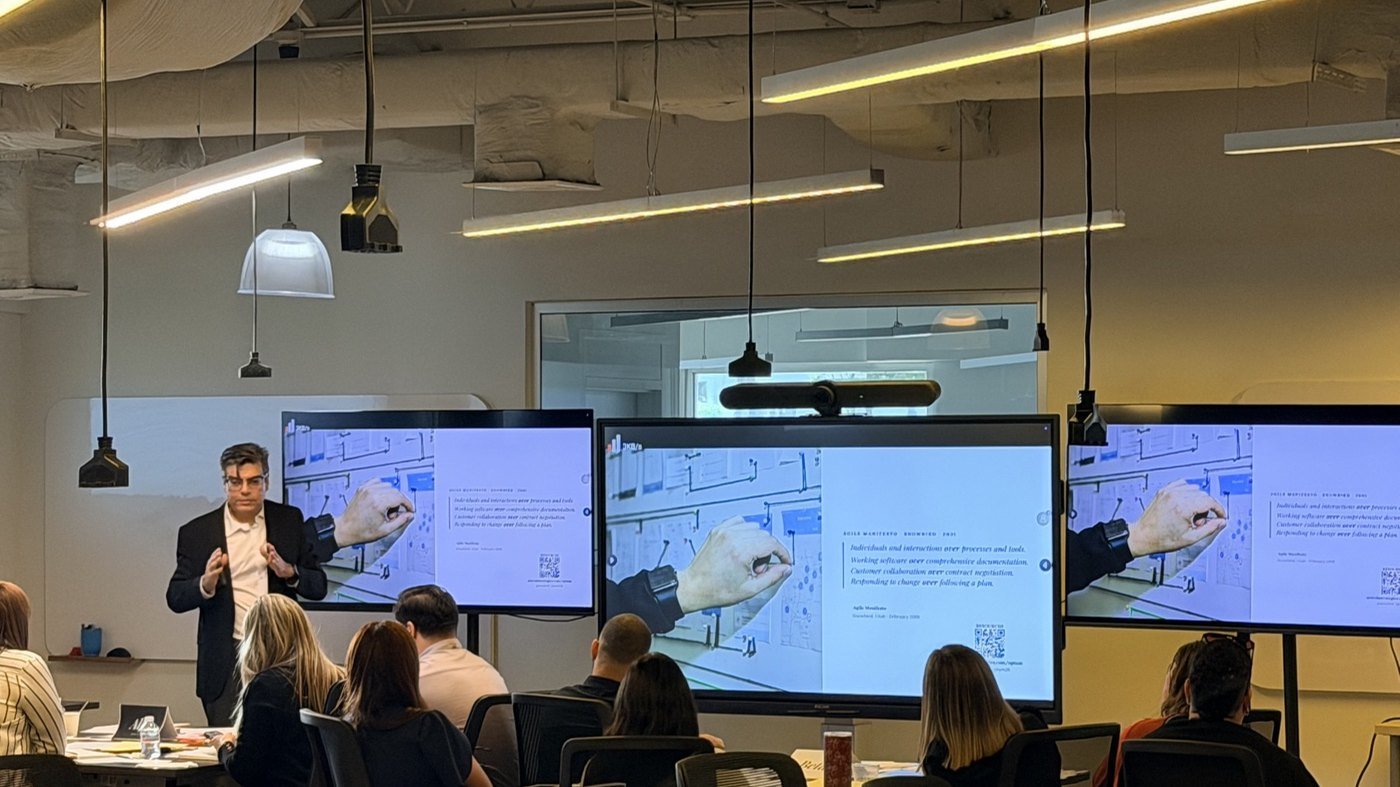
You Can't Lecture a Team Into Agility
Seventeen health-care leaders spent six hours at Engine-4 running a real SCRUM sprint — not sitting through a lecture. Why adaptive capacity is built by doing.